Strategy 5 Implement dynamic freight loading zones into citywide curbside management efforts.
The actions within this strategy are divided into two categories:
Action we will DOActions we will SUPPORTAction we will do are followed by “DO” and are colored in dark gray, and actions we will support are followed by “SUPPORT” and are colored in light gray.
Learn more about how we get thereThe loading and unloading of goods is a critical function in the city. Every business, whether it is a coffee shop, restaurant, small manufacturer, or office – has deliveries. While some businesses have off-street parking lots, below ground loading docks or loading bays, many businesses rely on the curb in front or the alley behind their establishment to be able to receive goods. This demand for loading zones also applies to the personal delivery of packages from online vendors or food delivery services.
This strategy focuses on laying out a path to better understand freight-related curbside demands, experimenting with how to best accommodate them, and implementing mechanisms that better manage curbside freight demands in balance with other competing curbside demands.
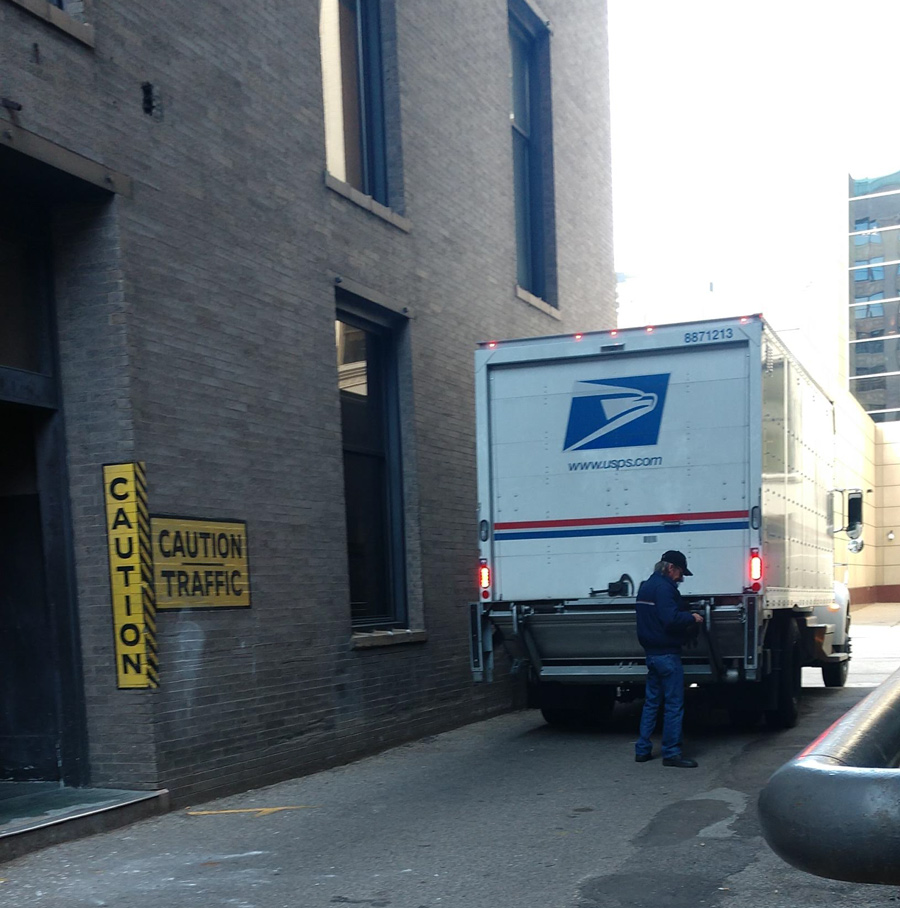
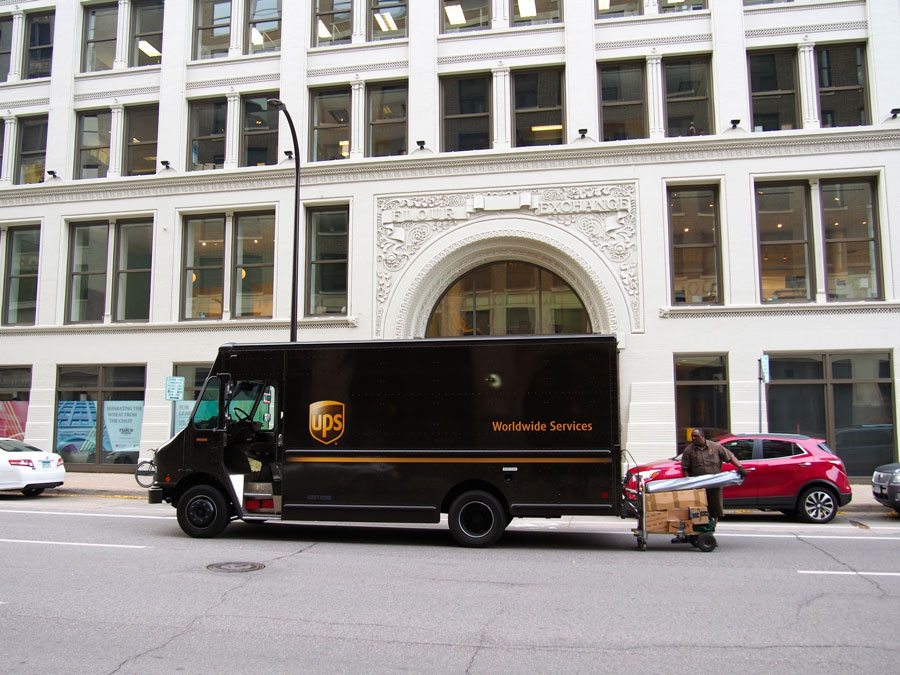
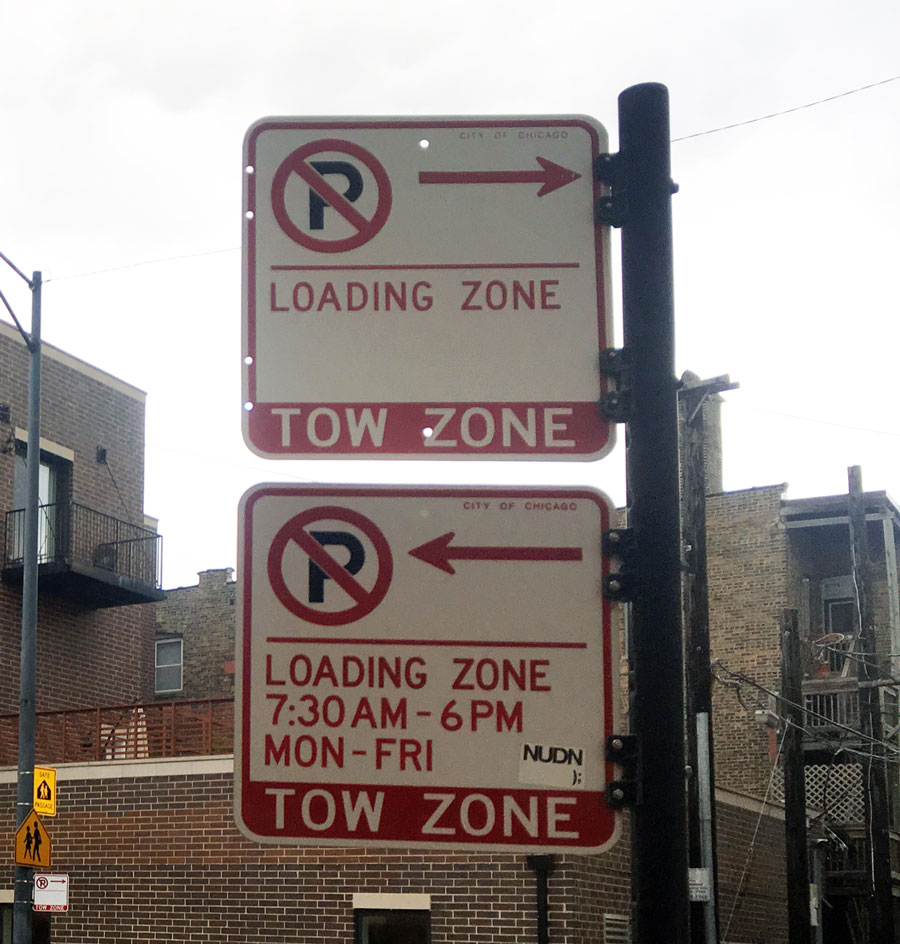
Actions to implement dynamic freight loading zones into citywide curbside management efforts.
Freight 5.1
Investigate freight loading zone demand and supply.
Supported goals:
Prosperity
Related actions:
Difficulty:
Medium
Timeframe:
2024-2027 (Years 4-7)
Status:
In Progress
Significant milestone(s):
The City completed preliminary investigation through the SMART grant phase 1 and plans to expand this analysis through phase 2 of SMART grant project.
Freight 5.2
Identify high intensity delivery zones in the city.
Supported goals:
Prosperity
Related actions:
Difficulty:
Medium
Timeframe:
2024-2027 (Years 4-7)
Status:
In Progress
Significant milestone(s):
The City completed preliminary investigation through the SMART grant phase 1 and plans to continue this through phase 2 of SMART grant project.
Freight 5.3
Document all private loading bays and alleys within the city to assess where gaps in loading zones exist, supplementing existing curbside and private loading areas data.
Supported goals:
Prosperity Mobility Active Partnerships
Related actions:
Operations 5.12
Difficulty:
Medium
Timeframe:
2030+
Status:
Not Started
Notes:
This action has not been started. This action will be reconsidered as part of the 2030 TAP Update.
Freight 5.4
Procure and study e-commerce delivery data to supplement field collection efforts in partnership with others.
Supported goals:
Prosperity Mobility Active Partnerships
Related actions:
Difficulty:
High
Timeframe:
2028-2030 (Years 8-10)
Status:
Not Started
Notes:
The City is open to procuring and studying e-commerce delivery data. This may be necessary during phase 2 of the SMART grant project to supplement field-collected data.
Freight 5.5
Pilot multiple locations to implement dynamic curb pricing for on-street deliveries and other curbside needs.
Supported goals:
Prosperity Mobility
Related actions:
Operations 5.2
Difficulty:
Medium
Timeframe:
2020-2023 (Years 0-3)
Status:
In Progress
Significant milestone(s):
Public Works is developing a curbside management policy.This policy will drive the development of a curbside action implementation workplan, which may include a multi-purpose dynamic curb zone pilot.