Strategy 7 Align traffic signal operations with the Complete Streets Policy.
The actions within this strategy are divided into two categories:
Action we will DOActions we will SUPPORTAction we will do are followed by “DO” and are colored in dark gray, and actions we will support are followed by “SUPPORT” and are colored in light gray.
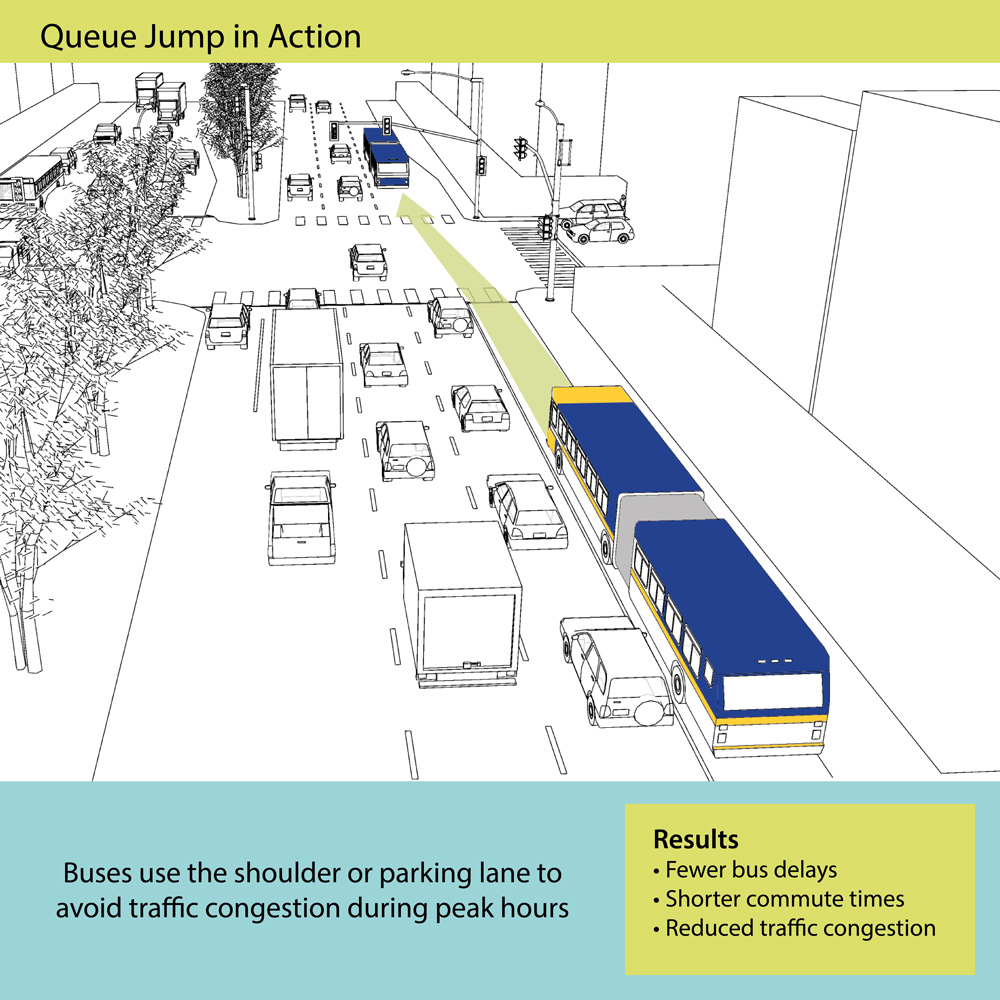
Learn more about how we get thereTraffic signals are timed and coordinated citywide to promote safe and consistent travel times. The actions below do not include exhaustive adjectives like ‘all’ and ‘every’ because specific movements allowed by a traffic signal may have a negative impact for some other competing use; this approach does not indicate a lack of commitment to completing this strategy but rather realistically approaching its implementation. For example, longer walk times for pedestrians goes against shorter cycle lengths, which also have benefits for pedestrians. Automatic display of the WALK signal without having to push a button, may, in some cases extend the total cycle length, creating additional delay for pedestrians and transit vehicles. Transit queue jumps prioritize those travelling on bus or other transit, but elongate waiting times for pedestrians crossing that street – the same holds true for green arrows for specific turning time for vehicles.
The City is doing adjustments on most traffic signals in 2020 to align with new, lower speed limits. This adjustment is being done with recognition that a larger, citywide alignment of signals with Complete Streets will be done in the future.
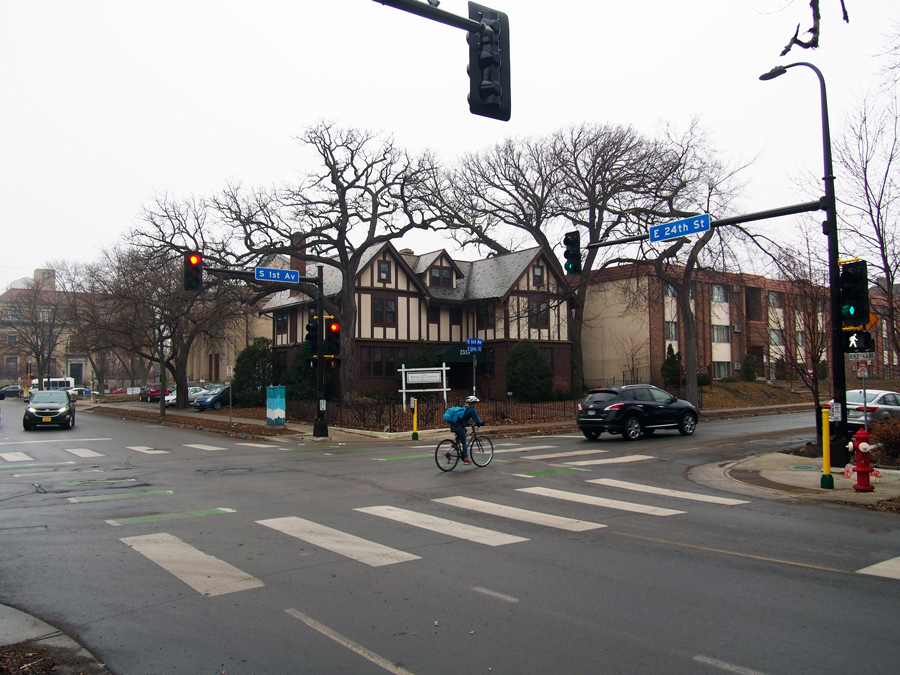
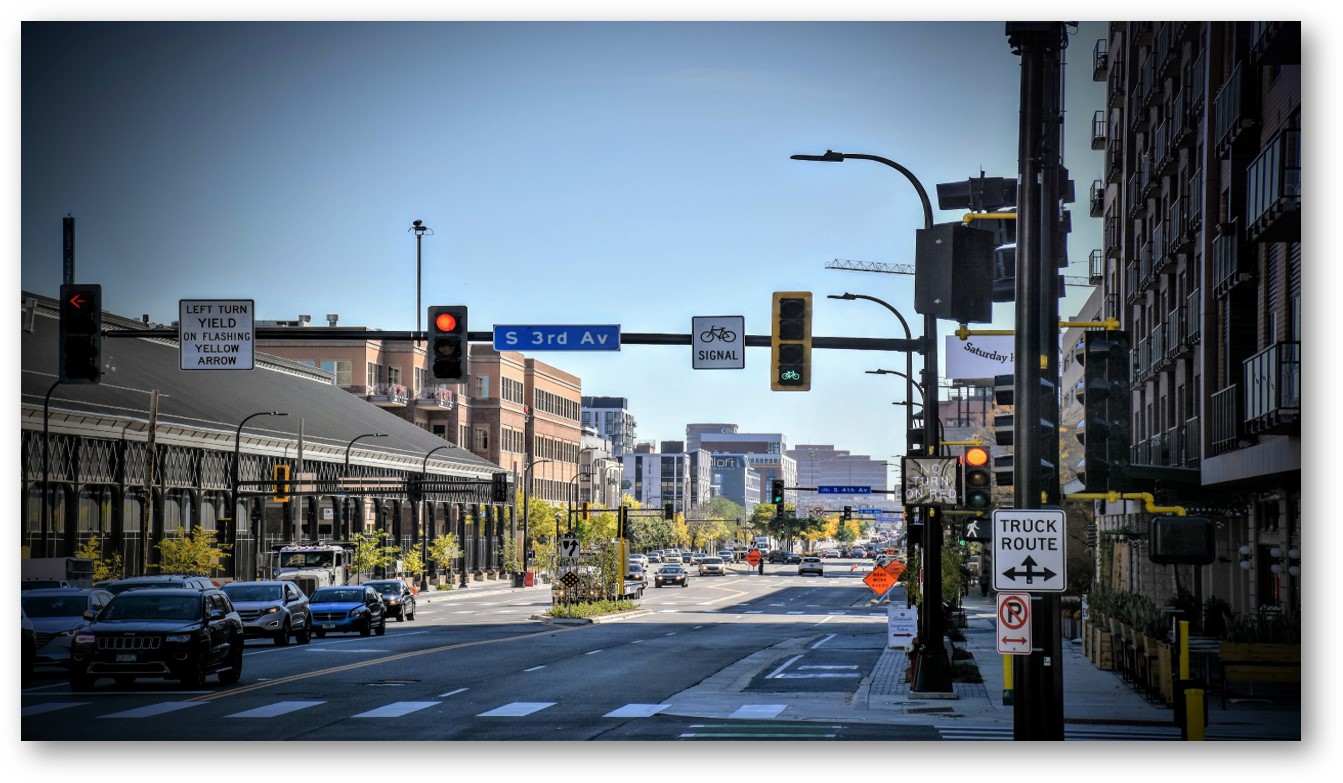
Actions to align traffic signal operations with the Complete Streets Policy.
Street Operations 7.1
Identify locations where operation of traffic signals should be evaluated to prioritize pedestrian mobility, comfort and safety.
Supported goals:
Safety Equity Mobility
Related actions:
Difficulty:
Low
Timeframe:
2020-2023 (Years 0-3)
Status:
Successfully completed to date and on-going
Significant milestone(s):
Since 2020, Public Works has prioritized signal operation evaluation near school zones. Leading pedestrian intervals, which allow pedestrians a time interval to begin crossing before vehicles have a green light, are one way to improve pedestrian comfort and safety. Public Works has deployed leading pedestrian intervals at roughly 55 traffic signals, with roughly 30 of these completed in 2023-2025.
Street Operations 7.2
Implement transit advantages along all high frequency transit corridors, through transit only lanes, transit signal priority, queue jumps and other treatments as appropriate.
Supported goals:
Safety Equity Mobility
Related actions:
Difficulty:
Medium
Timeframe:
2020-2023 (Years 0-3)
Status:
Successfully completed to date and on-going
Significant milestone(s):
Public Works has implemented transit advantages along high frequency transit corridors such as 7th St, Hennepin Ave, Lake St, and Central Ave. The Transit Priority Implementation Workplan was completed in 2025 and identifies future priorities for transit advantages in Minneapolis.
Street Operations 7.3
Use traffic signals to increase efficiency of people biking. Include specific bike signals on the All Ages and Abilities Network, and time signals to reduce the need for people biking to stop.
Supported goals:
Safety Equity Mobility
Related actions:
Difficulty:
Medium
Timeframe:
2024-2027 (Years 4-7)
Status:
Successfully completed to date and on-going
Significant milestone(s):
The Citywide Signal Retiming Project is planned for 2026-2027 implementation. The project will support people biking through a variety of techniques.
Street Operations 7.4
Re-time traffic signal coordination to encourage vehicle speeds at or below the posted speed limit.
Supported goals:
Safety Mobility
Related actions:
Difficulty:
Low
Timeframe:
2020-2023 (Years 0-3)
Status:
Complete
Significant milestone(s):
In 2020, traffic signals were re-timed to reflect updated citywide speed limit of 20 miles per hour.