Strategy 6 Encourage and support electric vehicles by developing public charging stations and incentivizing private off-street stations; incentivize power sources from renewable generated electricity.
The actions within this strategy are divided into two categories:
Action we will DOActions we will SUPPORTAction we will do are followed by “DO” and are colored in dark gray, and actions we will support are followed by “SUPPORT” and are colored in light gray.
Learn more about how we get thereWhile electric cars, trucks and buses will be important to reach climate goals, the adoption of electric vehicles alone will not get us to our goals. Prioritizing the shared element of advanced mobility is key to reduce dependency on automobiles and support walking, biking and transit.
Electric vehicle adoption is important to reduce greenhouse gas emissions, and we have seen hybrid and electric vehicles showing up in greater numbers on our streets – from electric buses, to personal cars, to shared scooters and bikes. It is estimated that by 2040, 55% of all new car sales will be electric.1 As of 2020, just 2.4% of the cars and trucks in Minneapolis area are hybrid or electric;2 as this number grows, there is potential for transportation related greenhouse gas emissions to be reduced. Working in tandem with our vehicle miles traveled reduction goal and mode shift goal, this is an important part of meeting our overall climate goal.
- Electric Vehicle Outlook: 2018 Bloomberg New Energy Finance (2018)
- Driving Innovation, Auto Alliance (AA) (2018).
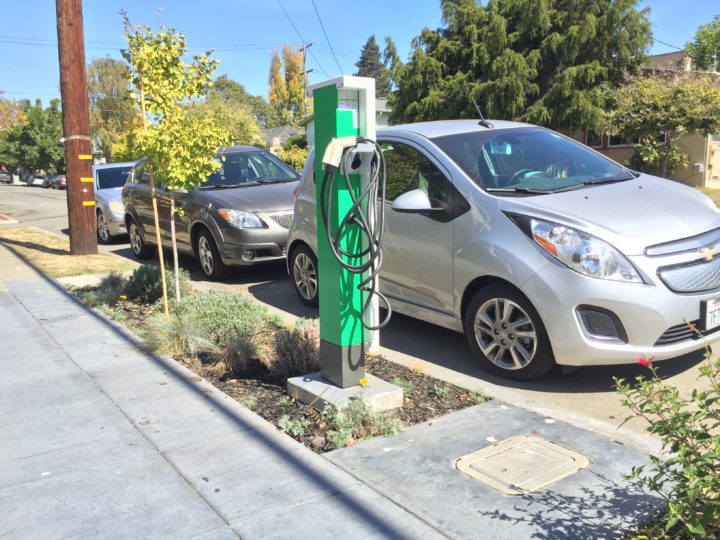
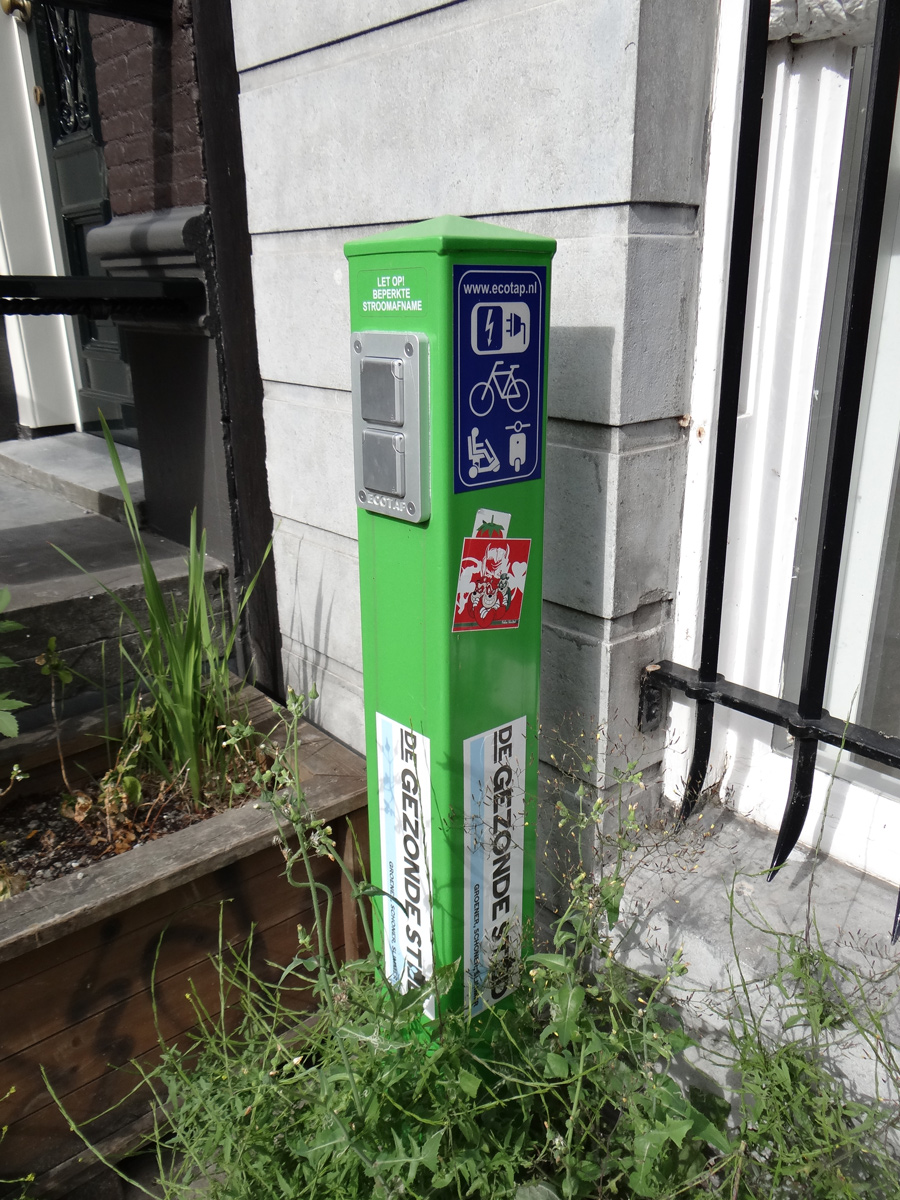
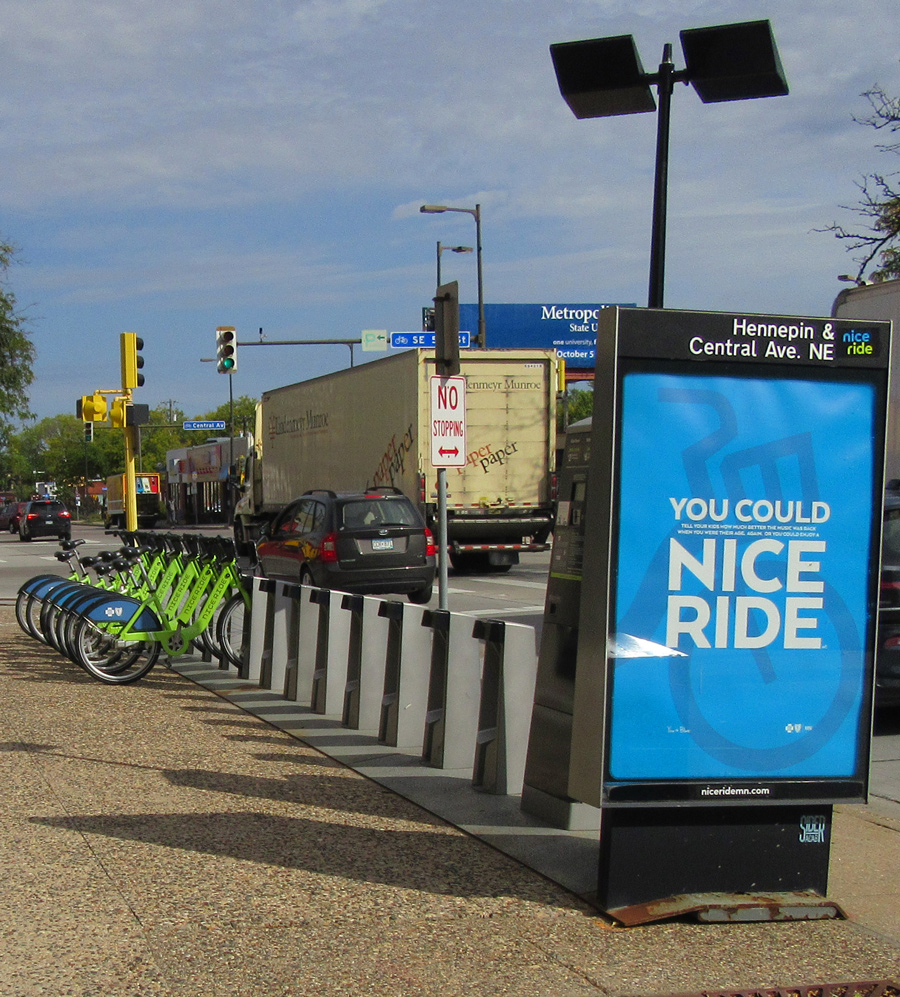
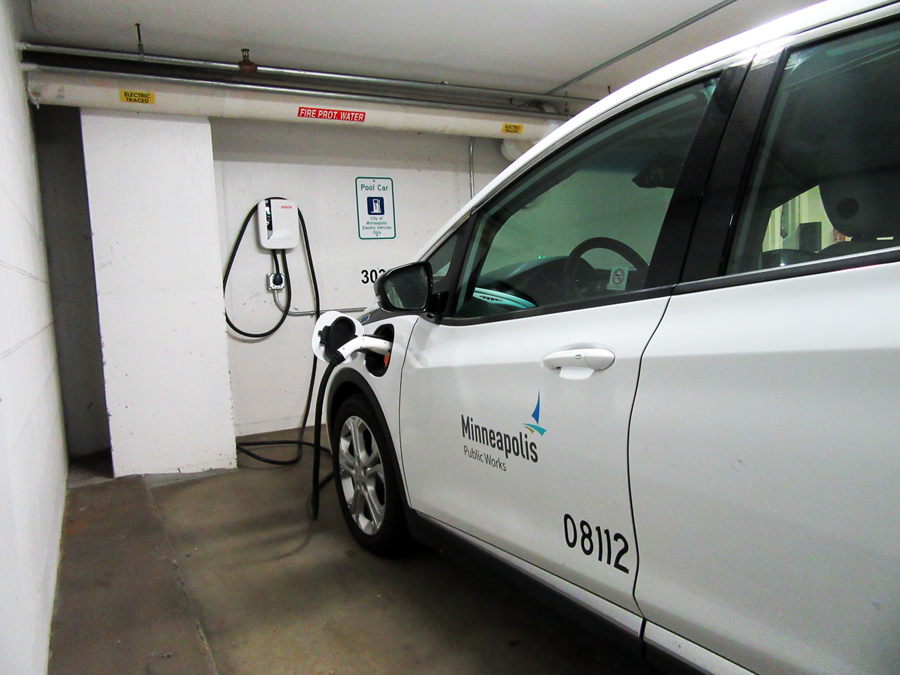
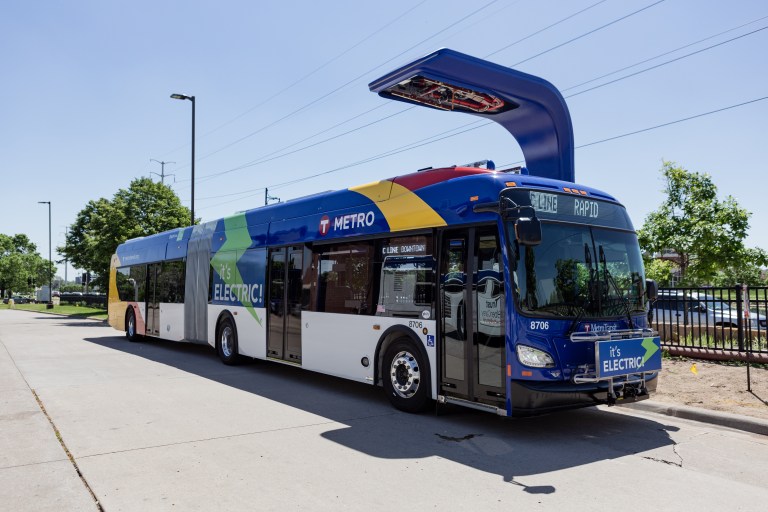
Actions to encourage and support electric vehicles by developing public charging stations and incentivizing off-street stations; incentivize power sources from renewable generated electricity.
Technology 6.1
Assess the projected demand and current supply of the electric vehicle charging network in the city and propose and implement additional charging locations in coordination with mobility hub locations.
Supported goals:
Climate Mobility
Related actions:
Difficulty:
Medium
Timeframe:
2024-2027 (Years 4-7)
Status:
Successfully completed to date and on-going
Significant milestone(s):
In 2024, Public Works finalized a Curbside EV Charging Readiness Study. The study assessed existing conditions and identified siting criteria for future charging stations. Public Works used these criteria to prioritize installation of a station adjacent to North Regional Library, planned for installation in 2026. These criteria also identified the need for a charging station at the 14th Ave NE and Central Ave NE mobility hub, where installation is planned for 2027.
Technology 6.2
Ensure all public electric vehicle charging infrastructure is scalable to service multiple vehicle types – including shared cars, bicycles and scooters with minimal right of way space impacts; incentivize or support all private infrastructure to do the same.
Supported goals:
Climate Mobility
Related actions:
Bicycles 9.1, Bicycles 9.2, Bicycles 9.3, Bicycles 9.4, Bicycles 9.5, Bicycles 9.6
Difficulty:
Low
Timeframe:
2020-2023 (Years 0-3)
Status:
Successfully completed to date and on-going
Significant milestone(s):
Current technology is not compatible with charging multiple types of vehicles with the same charging infrastructure due to different charging needs. Public Works continues to explore ways to promote efficient use of space and infrastructure for charging purposes.
Technology 6.3
Implement renewable energy sourced charging stations (supplemental solar-powered) in place of hard-wired only electric charging stations.
Supported goals:
Climate
Related actions:
Difficulty:
Medium
Timeframe:
2030+ (Years 10+)
Status:
Not Started
Note:
All existing charging stations in the EV Spot network are hard-wired but sourced from renewable energy sources per an agreement with Xcel Energy. Current technology makes solar-supplemental charging challenging in the urban setting of the EV Spot network.
Technology 6.4
Encourage and incentivize the conversion of shared mobility fleets to electric in city agreements.
Supported goals:
Climate
Related actions:
Technology 2.1
Difficulty:
Low
Timeframe:
2020-2023 (Years 0-3)
Status:
Complete
Significant milestone(s):
Shared bike and scooter providers are required to provide electric assisted devices. The Evie carsharing program uses 100% electric vehicles.
Technology 6.5
Partner with public and private entities for education and outreach campaigns which promote the benefits and operation of electric vehicles.
Supported goals:
Climate Active Partnerships
Related actions:
Difficulty:
Low
Timeframe:
2020-2023 (Years 0-3)
Status:
Complete
Significant milestone(s):
The Evie carsharing network promotes the benefits of electric vehicles and allows users to familiarize themselves with the driving experience and features of electric vehicles. Information on the Minnesota e-Bike Rebate program was included at Minneapolis As You Go events in 2024.
Technology 6.6
Work with the Department of Community Planning and Economic Development to require developers to build off-street electric vehicle charging stations in their developments if they include parking.
Supported goals:
Climate Active Partnerships
Related actions:
Bicycles 9.5
Difficulty:
Low
Timeframe:
2020-2023 (Years 0-3)
Status:
Complete
Significant milestone(s):
The Department of Community Planning and Economic Development overhauled off-street parking regulations and travel demand management in the zoning ordinance in May 2021. This ordinance included establishing requirements and incentives for electric vehicle (EV) charging infrastructure in new structures. This ordinance was updated in 2022 and included EV charging requirements for new and expanded surface parking lots.
Technology 6.7
Support partner transit agencies as electric fleets are incorporated including expedited siting of charging locations.
Supported goals:
Climate Mobility Active Partnerships
Related actions:
Transit 1.9
Difficulty:
Medium
Timeframe:
2030+ (Years 10+)
Status:
Not Started
Note:
The City has not received requests from transit agencies for charging locations within public right of way. Currently, electric bus charging technology requires large amounts of space and time which is incompatible with curbside charging. Public Works is supportive of transit agencies electrifying fleets as technology and funding allows.
See also actions:
- Freight 4
Transition fleets to zero-emissions technology