Strategy 9 Manage street detours in line with Complete Streets Policy.
The actions within this strategy are divided into two categories:
Action we will DOActions we will SUPPORTAction we will do are followed by “DO” and are colored in dark gray, and actions we will support are followed by “SUPPORT” and are colored in light gray.
Learn more about how we get thereThe actions listed here outline specific ways to improve the implementation of detours to maintain safe access for all street users. Ensuring clear passage for pedestrians should be the first priority, and bicyclists or those on micromobility vehicles should not be deposited into mixed traffic if they have otherwise been traveling in a separated facility. Ensuring that emergency responders can navigate the space is always a top priority during construction, and detours should be designed to accommodate.
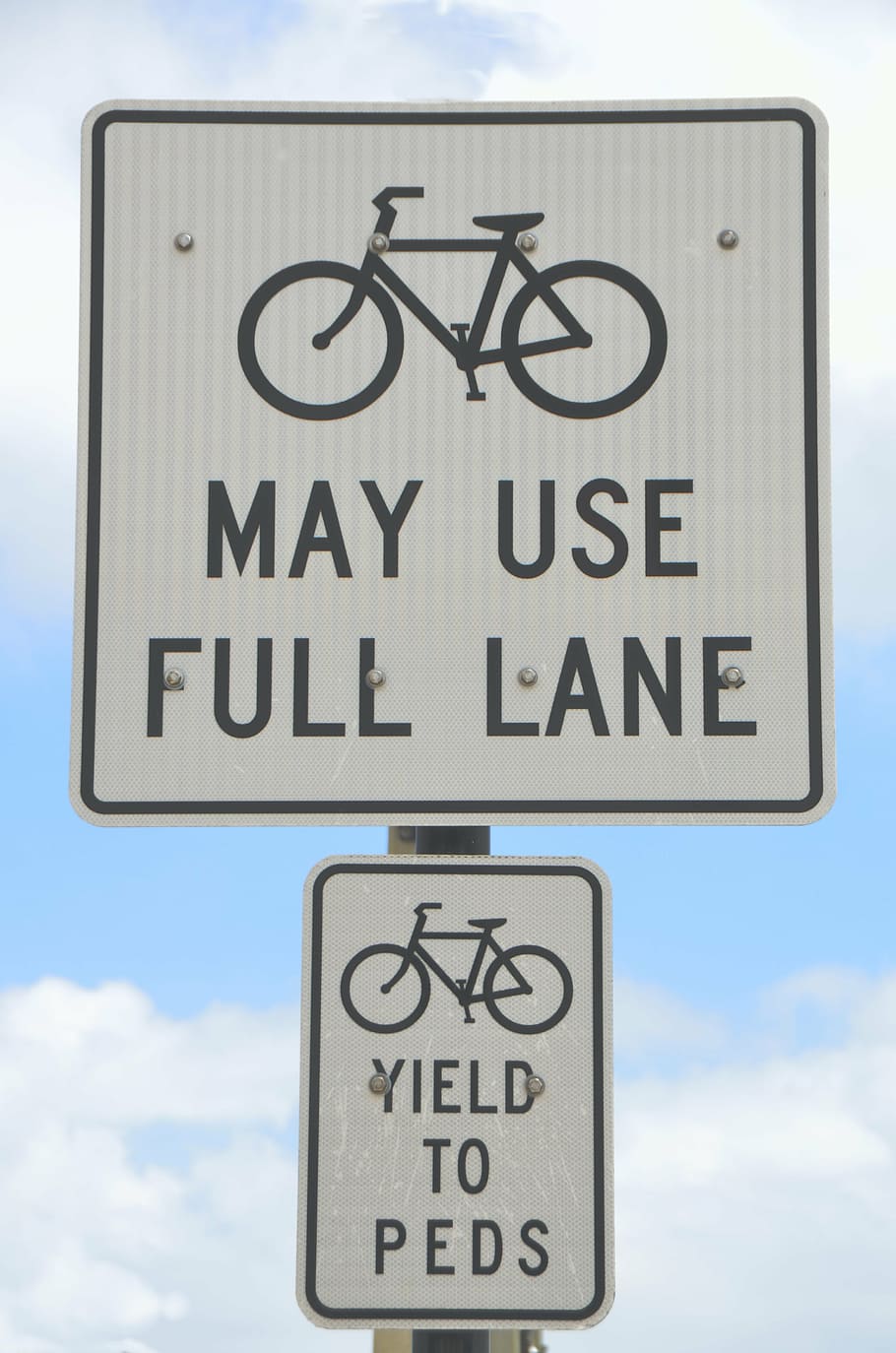
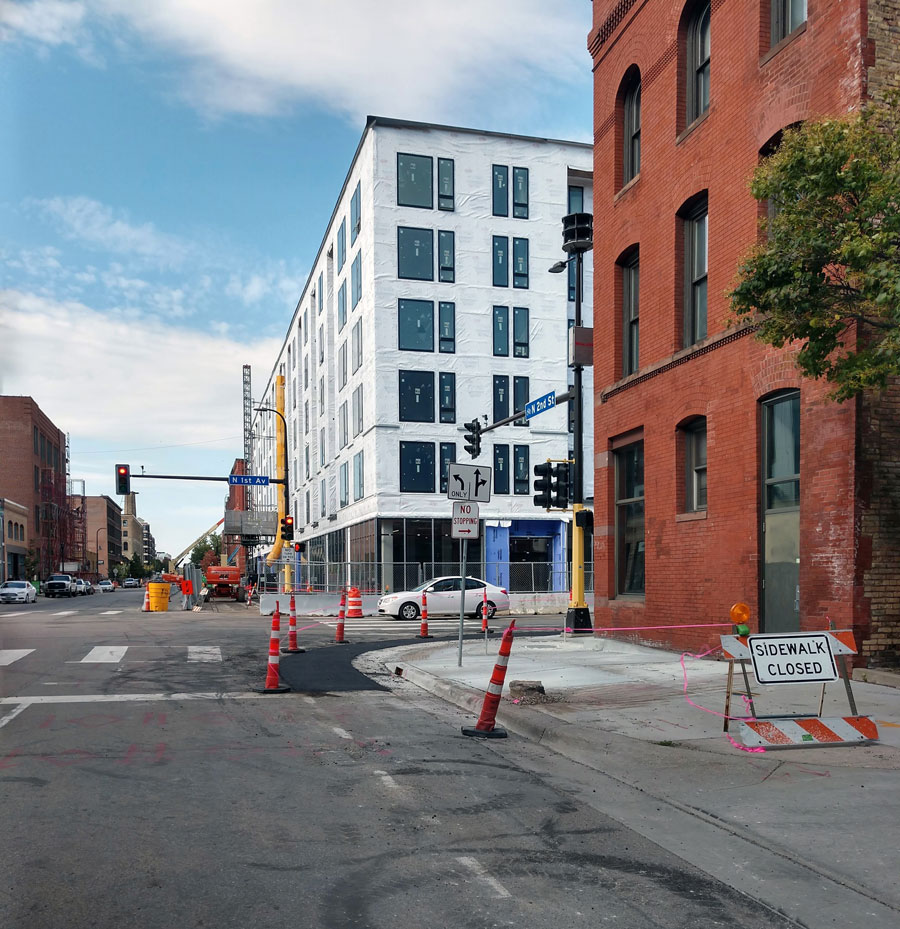
Actions to manage street detours in line with Complete Streets Policy.
Street Operations 9.1
Provide safe, direct, and comfortable temporary facilities for non-motorized users during construction in accordance with the current and updated Complete Streets Policy.
Supported goals:
Safety Equity Mobility
Related actions:
Difficulty:
Medium
Timeframe:
2020-2023 (Years 0-3)
Status:
Successfully completed to date and on-going
Significant milestone(s):
City staff minimize detours and prioritize access for non-motorized during project development and review. Construction specifications have been reviewed and updated to improve temporary pedestrian routing and permits for construction projects require pedestrian access.
Street Operations 9.2
Price lane obstruction permits to reflect the Complete Streets hierarchy such that removal of pedestrian or bicycle access is more costly than general purpose travel lane closures.
Supported goals:
Equity Mobility
Related actions:
Difficulty:
Medium
Timeframe:
2020-2023 (Years 0-3)
Status:
Complete
Significant milestone(s):
Lane obstruction permit pricing was initially adjusted accordingly and new fees applied starting in January 2022. Additional adjustments were made to the lane use fees in June of 2023 after analysis of the impacts of 2022 fee updates.
Street Operations 9.3
Reconstruct disturbed pedestrian, bicycle, and transit facilities in accordance with planned future conditions, not existing, when altered by development or utility work, as documented in this plan and the Street Design Guide.
Supported goals:
Safety Mobility
Related actions:
Difficulty:
High
Timeframe:
2020-2023 (Years 0-3)
Status:
Successfully completed to date and on-going
Significant milestone(s):
Public Works requires that utilities and developers upgrade curb ramps to modern ADA standards when altered by construction work. The City coordinates with developers to identify where disturbed facilities should be reconstructed to match future conditions to avoid repeat work where Capital projects are already programmed. As an example, the O2 Luxury Tower development at 250 Portland Ave included a sidewalk level bikeway to match other bikeway improvements in this section of Portland Ave.
Street Operations 9.4
Inspect and enforce non-compliance at construction sites where pedestrian walkways are not being cleared of snow and ice.
Supported goals:
Safety Mobility Active Partnerships
Related actions:
Walking 4.1, Walking 4.2, Walking 4.3, Walking 4.4, Walking 4.5
Difficulty:
High
Timeframe:
2020-2023 (Years 0-3)
Status:
Successfully completed to date and on-going
Significant milestone(s):
In addition to responding to snow and ice clearance complaints, the City conducts annual proactive sidewalk inspections to monitor compliance for snow and ice removal across the whole city. The average compliance rate is 95% for 2018-2023 inspections, as summarized in the Winter Walking and Biking Study. In 2025, Public Works hired an inspector who will inspect permitted construction sites for compliance with permit terms including snow and ice clearance.
See also actions:
- Walking 5.3
Inspect pedestrian access requirements around work zones and ensure compliance - Bicycling 6.2
Require low-stress bikeway detours - Bicycling 6.3
Inspect bikeway detours and ensure compliance